Prescription-Strength Laser Therapy for Hair Loss

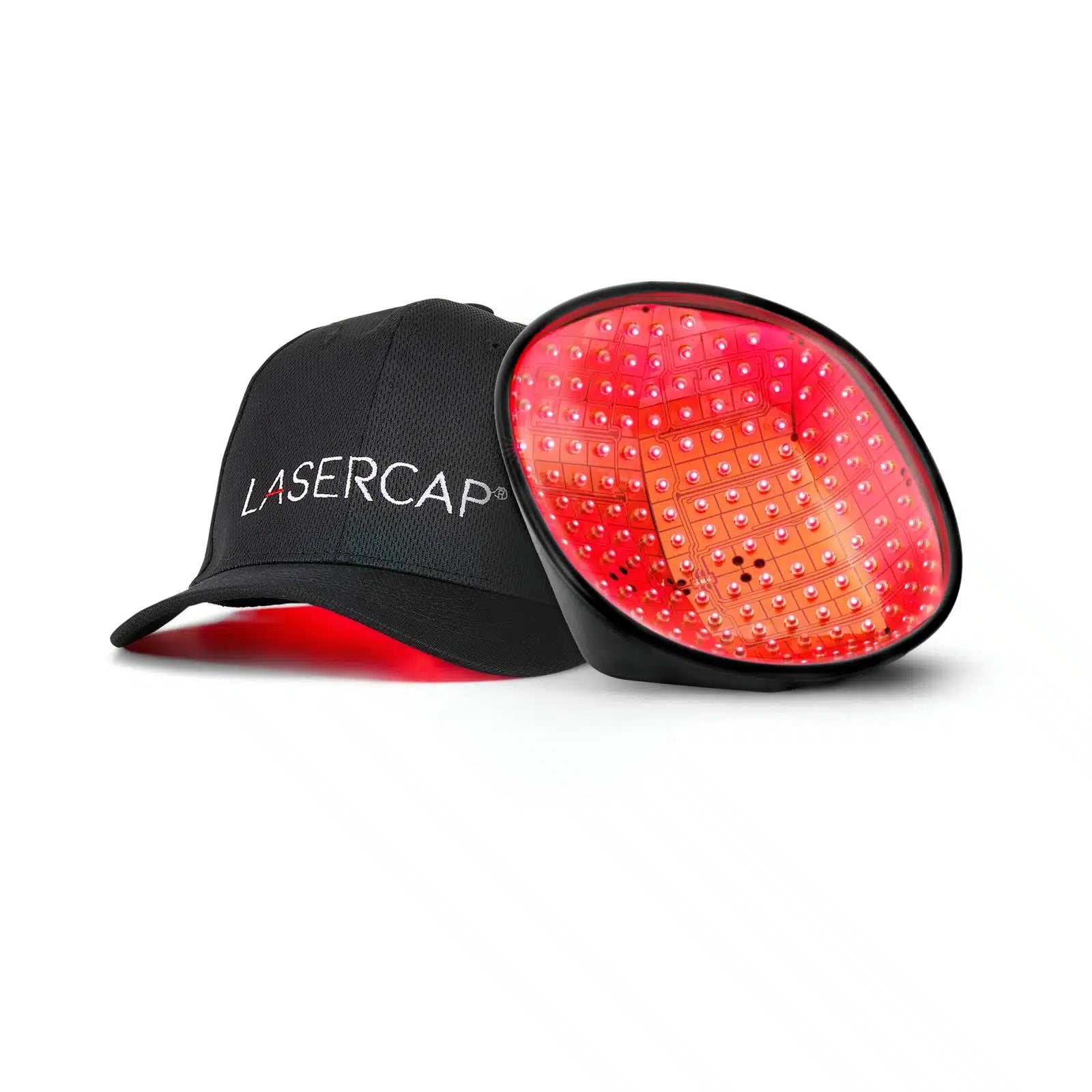
The Original LaserCap® is not only a clinically proven, FDA-cleared device — it also delivers one of the strongest laser therapies for hair loss available today.

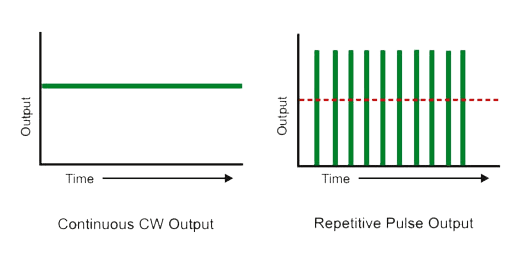
What makes LaserCap prescription-strength is its pulsed-wave laser emission technology. During treatment, the laser diodes rapidly switch on and off many times per second, producing brief, repetitive bursts of light rather than a continuous beam. Clinical research has shown that pulsing can improve the effectiveness of Low-Level Laser Therapy (LLLT).¹
pulsed lasers time output

Why Pulsed-Wave Emission Matters

Pulsing allows heat to be carefully managed during treatment. Each time the lasers briefly switch off, the diodes are able to cool before firing again. This cooling cycle enables LaserCap to optimize critical treatment parameters — such as intensity and duration — without excessive heat, which could otherwise reduce performance, cause discomfort, or damage the device.

Pulse-wave emission differs from continuous-wave output, where light is delivered at a constant rate and heat can steadily build throughout treatment.
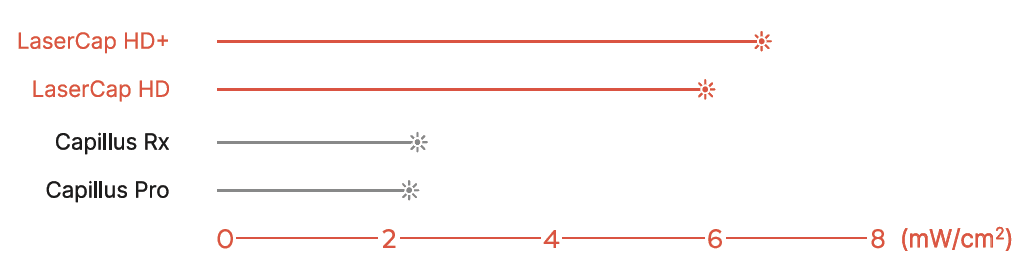
lasercap competitors comparison chart

Higher Energy Dose per Treatment

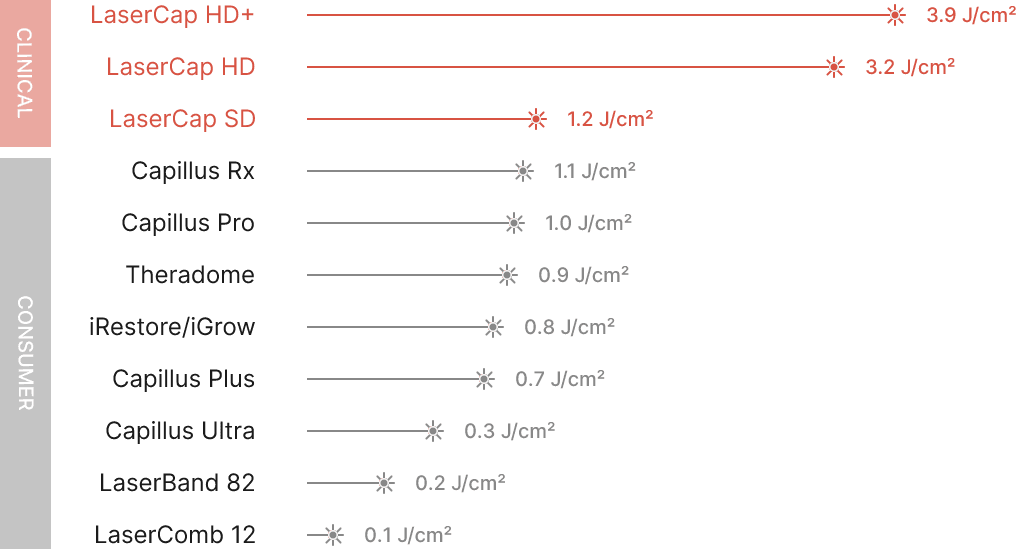
Because pulsed-wave emission allows for higher intensities and longer treatment durations, LaserCap delivers a significantly higher dose of light energy per session than comparable devices that rely on continuous output.¹

Many competing laser caps deliver energy doses well below what experts consider optimal for effective hair growth stimulation.² ³ LaserCap’s combination of power, pulsing, and treatment duration places it at the top tier of LLLT performance.

*Energy doses calculated using device specifications and manufacturer-recommended treatment protocols

Higher Peak Intensity for Deeper Penetration

Peak intensity — the maximum energy delivered per unit area over a given time — plays a critical role in how deeply light can penetrate tissue.¹

Pulsed-wave emission allows LaserCap to deliver higher peak intensity without generating excessive heat, because energy is delivered in extremely short bursts. This is especially important for laser hair therapy, where light must pass through the scalp to reach the base of the hair follicle.

*Internal data on file

peak power chart
chart comparing lasercap power output

More Consistent Power Output

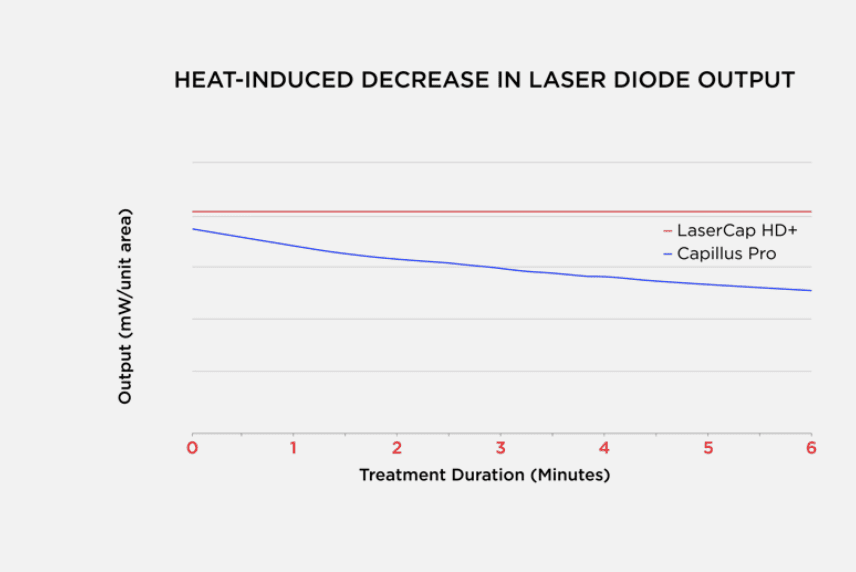
Heat buildup can cause the power output of laser hair restoration devices to decline, resulting in an inconsistent and unpredictable therapeutic dose. Even minimal excess heat can significantly reduce treatment effectiveness.

Internal testing demonstrated that continuous-wave devices may experience power output drops of over 30% in as little as six minutes of use. In contrast, LaserCap showed negligible power loss over a full 30-minute treatment session.

This consistency ensures patients receive a reliable, therapeutic dose every time.

*Internal data on file

lasercap hd

Improved Durability and Device Longevity

By allowing laser diodes to cool between pulses, pulsed-wave emission reduces mechanical and thermal stress on the device. This results in:

  • Fewer device failures
  • Greater long-term reliability
  • A longer overall device lifespan

Because laser therapy for hair loss must be used consistently to maintain results, durability matters. LaserCap’s pulsed technology — combined with rigorous quality control — delivers unmatched longevity. Many patients have successfully used the same LaserCap device for over 10 years.

References:

  1. Hashmi JT, Huang Y-Y, Sharma SK, et al. Effect of pulsing in low-level light therapy. Lasers Surg Med 2010;42(6):450-466. https://www.ncbi.nlm.nih.gov/pmc/articles/PMC2933784/
  2. Hamblin MR. Photobiomodulation for the management of alopecia. Clin Cosmet Investig Dermatol 2019;12:669-678. https://www.ncbi.nlm.nih.gov/pmc/articles/PMC6737896/
  3. Gupta AK, Bamimore MA. Factors influencing the effect of photobiomodulation in the treatment of  androgenetic alopecia: a systematic review and analyses of summary-level data. Dermatol Ther. Published online August 2020

Ready To Get Your Own LaserCap?

Get Started
lasercap products kit